
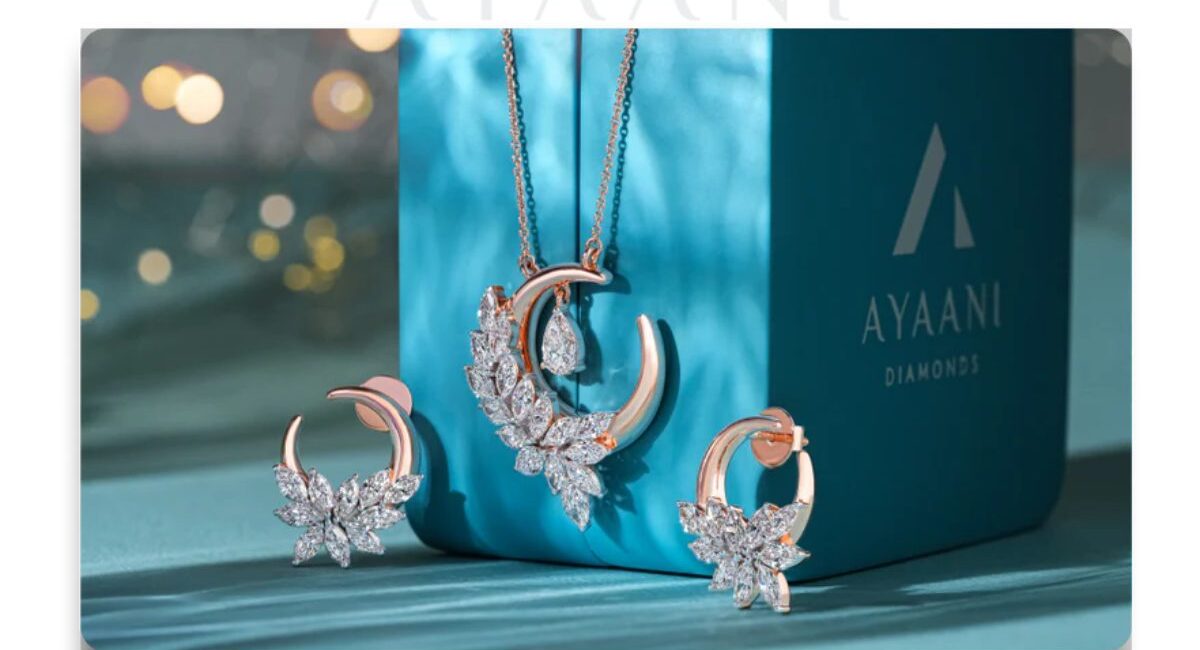
The demand of lab-grown diamonds in India is growing day by day, particularly for customers who are seeking responsible sources and are concerned with price transparency. Ayaani – lab grown diamonds is part of the emerging category that provides jewellery at affordable prices that attracts today’s modern customers, in terms of style, money and the environment.
This article clarifies what Ayaani means, how the lab-grown diamonds are made, what one can actually get from them, and if they are right for you.
This Article Is Belongs To The Jewellery
What Are Ayaani – Lab Grown Diamonds?
Ayaani: A jewelry concept/brand featuring lab-grown diamonds The phrase ‘Ayaani’ represents jewelry concepts or brand which specializes in lab grown diamond products. Lab grown diamonds are not imitation products like CZ’s rather a real diamond created in the labs through methods like chemical vapor deposition (CVD) or high pressure-high temperature (HPHT). Chemically they are similar to a natural diamond. They have the same hardness (10 Mohs), sparkle and durability of a natural diamond. The main difference: Natural diamonds grow in the earth under millions of tons of pressure for billions of years while lab grown diamonds are created in few weeks inside labs under specific environment conditions. Interesting facts about Ayaani’s lab grown diamonds: Chemically and optically similar to natural diamonds, Significantly more economical (30-60% less expensive).
- Traceable production process
- Minimal mining impact
- Wide design availability in modern jewellery
These features make Ayaani particularly relevant for engagement rings, daily wear jewellery, and gifting purposes.
Specifications Overview
| Feature | Ayaani – Lab Grown D | Natural Diamonds |
|---|---|---|
| Origin | Lab-created | Mined from earth |
| Hardness | 10 Mohs scale | |
| Cost | Reasonable | High |
| Certification | Often IGI / GIA | GIA / IGI |
| Environmental Impact | Lower (comparatively) | Higher (mining involved) |
| Resale Value | Limited | Higher resale potential |
Lab-grown diamond manufacturing process
This is useful for setting realistic expectations:
- An ‘seed’ tiny diamond is introduced into the growth chamber
- Carbon-rich gases are fed in, and conditions created through pressure
- Diamond crystals are layered one on top of another
- Stone is cut, polished and graded
- Jewellery finished and certified
As you can see this process requires tight control, which offers consistency but not individuality like in mines.
Performance expectations you can set:
You should expect Ayaani lab-grown d to behave much the same as natural stones do on a day-to-day basis. However, it is wise to:
- Durability – use as you would natural diamonds
- Sparkle – use as you would natural diamonds
- Lifespan – stone will not change in appearance
- Value retention: Lower resale demand currently
Though chemically and visibly indistinguishable to humans, they are predicted to not hold the long-term investment appeal of mined diamonds.
Pros & Cons
Pros
- More budget-friendly for larger carat sizes
- Ethically produced (reduced mining concerns)
- Consistent quality control
- Wide design flexibility
Cons
- Lower resale or investment value
- Market perception still evolving
- Potential oversupply may impact future pricing
- Not considered rare
Material, Build & Jewellery Quality
The level of your Ayaani jewellery will rely upon:
- Metal-gold, platinum, silver, etc.
- Diamond cut- round, princess, oval, etc
Quality of setting-A quality stone can still wear out if set badly. Always consider the whole piece.
Who Should Buy Ayaani – Lab Grown D?
Ayaani may suit:
- First-time jewellery purchasers
- Budget-conscious engagement ring shoppers
- Ethical or sustainability-conscious consumers
- Trend-setters seeking contemporary styles
Who Should Avoid?
Ayaani may not be ideal if you:
- Prioritise long-run values of resale
- Prefer rare, naturally formed stones
- View jewellery as an investment asset
Ayaani – Lab Grown Diamonds vs Traditional Options
| Factor | Ayaani – Lab Grown D | Traditional Diamonds |
|---|---|---|
| Cost Efficiency | High | Moderate to low |
| Emotional Value | Subjective | Traditionally high |
| Investment Appeal | Low | Moderate |
| Availability | High | Limited by mining |
| Environmental View | More favourable | Less favourable |
Legitimacy and Certification
When considering Ayaani, always check:
- Certification from recognised labs is IGI/GIA
- Transparency in grading & Origin
- Clear return and exchange policies
Although lab created diamonds are real gemstones, certification is used to assure quality.
Buying Tips for Ayaani Jewellery
- Check certification: Never skip grading reports
- Compare carat vs cut: Cut quality impacts sparkle more
- Understand pricing: Don’t assume all lab diamonds are cheap
- Inspect metal quality: 18K or 22K gold preferred in India
- Ask about warranty: Especially for daily wear pieces
Realistic Expectations
Ayaani lab-grown diamonds are best viewed as lifestyle jewellery rather than investment assets.
You can expect:
- Good appearance and durability
- Better size for budget
- Ethical sourcing advantages
You should not expect:
- Strong resale value
- Rarity or exclusivity
- Long-term price appreciation
Common Use Cases
- Engagement rings
- Anniversary gifts
- Daily wear studs or pendants
- Fashion jewellery collections
FAQ — Ayaani – Lab Grown Diamonds
Are Ayaani lab grown diamonds real diamonds?
Yes, in both chemical and physical aspect they are same as a natural diamond. This is manufactured in lab.
How long do Ayaani diamonds last?
Ayaani diamonds are long lasting and can be worn on a daily basis just like mined diamonds.
Are they less expensive than natural diamonds?
Typically, yes. Ayaani lab-grown diamonds cost less due to their mass production under laboratory conditions.
Is resale possible?
Resale exists but is typically lower compared to natural diamonds.
Are Ayaani – lab grown diamonds worth buying?
They can be a good choice for budget-conscious buyers seeking aesthetic appeal without investment expectations.
Conclusion
Ayaani – Lab Grown D bring an easy, current change to the Indian jewellery market. Balancing cost-effectiveness, ethical sources, and eye appeal, lab grown diamonds would suit a variety of everyday and special wear needs.
Though they are not for everyone: customers should not disregard potential resale values or scarcity and must have realistic expectations about these aspects, if they are important to them. To a customer desiring eye-catching, affordable diamond jewelry, Ayaani offers an option if bought wisely.